
The First Bite of a New Era
I still remember the moment the strawberry fooled me. One bite, and it hit with a precision sweetness that made my taste buds sit up straight. The juice carried the brightness of early summer, the aroma was floral without being sugary, and the texture walked that fine line between tender and firm. It felt like the kind of strawberry poets write about and grocery shoppers never actually find. Later, standing among the neat orchard rows where it came from, I discovered its secret: this wasn’t a lucky berry. It was the careful work of a quiet partner—artificial intelligence—guiding the orchard like an invisible farmhand.
The Orchard as a Data Garden
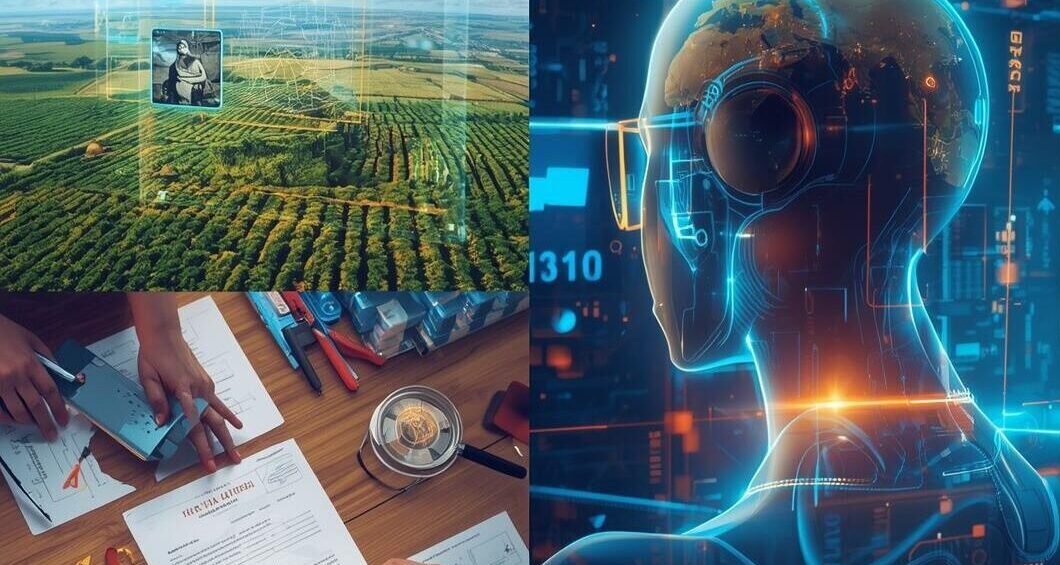
To understand “AI Fruit,” imagine the entire farm humming with awareness. Beneath the soil, thin sensors monitor moisture the way a sommelier studies the shade of a wine. On the trunks and trellises, tiny weather nodes record micro-climates that shift hour by hour. Drones drift overhead, capturing images of fruit blush—the subtle pinking of a peach or the deepening ruby of a cherry. And cameras watch for drooping leaves or overzealous sunlight. It’s as though the orchard has grown its own nervous system, complete with eyes, ears, and a sense of touch. Farmers still walk the fields, but now they do so with a digital companion that notices what the human eye would miss.
From Data to Nectar
All this information, on its own, would overwhelm any grower. That’s where AI quietly begins its work. Like a hyper-attentive gardener who never sleeps, it processes every signal and turns it into tiny, intelligent actions. A section of strawberries needs precisely 8 minutes of extra irrigation? Done. A cluster of grapes is catching too much afternoon heat? Shade cloth adjusts automatically. A peach reaches its ideal sugar–acid balance? The system alerts the farmer: harvest within the next 12 hours for peak flavor and shelf life. What used to be intuition and luck now becomes a symphony of micro-decisions—each one tuned to bring out the fruit’s fullest taste, texture, and aroma.
The Taste of Technology
At this point, the big question usually arrives: does this make the food artificial? Not at all. In fact, it brings agriculture closer to nature’s intentions. Stress is the silent thief of flavor—too little water, too much sun, or a surprise cold draft can flatten sweetness or harden texture. By sensing stress early, AI allows farmers to intervene gently instead of resorting to heavy-handed fixes. The result: fewer pesticides, less wasted water, and far less spoiled produce. And beyond the orchard floor, AI helps breeders experiment with new varieties designed for taste rather than just long-distance shipping durability. What you’re biting into is not a synthetic invention—it’s nature, supported instead of strained.
Where AI Fruit Is Taking Us
When you zoom out, the picture becomes even more hopeful. Imagine a future where seasonal fruit doesn’t disappoint, where local growers can match the flavor standards once reserved for boutique farms, and where fresh produce retains its natural perfume even after traveling across cities. AI doesn’t erase the farmer’s wisdom—it amplifies it. It frees growers from reacting to problems and lets them cultivate flavor from the very beginning. And for us, the eaters, it means strawberries that taste like strawberries, peaches that drip summer down your wrist, and grapes that burst instead of crunch.
A Future That Tastes Better
If this is the future of farming, it’s a delicious one. The story behind our food will soon include both the farmer’s steady hand and the orchard’s gentle digital whisper—working together to bring us fruit that tastes the way nature intended: vibrant, fragrant, and unmistakably alive.